
Maundy Money, and the Queen Who Never Aged
Each spring, as Holy Week approaches, one of Britain’s oldest royal traditions quietly unfolds. At the Royal Maundy Service, the monarch personally distributes small leather purses filled with specially struck silver coins to a select group of men and women chosen for their work in their church or community. The coins they receive are known as Maundy Money, and they are among the most distinctive and historically significant issues in British numismatics.
Few coins in the world combine history, tradition, scarcity and royal connection quite like Maundy Money. Struck in exceptionally low quantities, they are among the oldest, continuously issued coin types in the world and provide a tangible connection between crown and public that stretches back over seven centuries.
Later this year, we will mark the 100th anniversary of the birth of Queen Elizabeth II, who became Britain’s longest-reigning monarch. For seventy years, the Maundy coins struck during her reign carried the same royal portrait, a remarkable continuity unmatched anywhere else in British coinage.
Royal Maundy
Royal Maundy is an ancient Christian ceremony held each year on Maundy Thursday, the day before Good Friday. Its name derives from the Latin word mandatum (command) and refers to the instruction to love one another that Christ gave his disciples as he washed their feet on the day before his crucifixion.
The practice of giving gifts to the poor on Maundy Thursday to demonstrate Christian love can be traced back to at least the fourth century. However, the first recorded instance of an English monarch participating in the ceremony dates to 1213, when King John washed the feet of the poor and distributed alms in Rochester. By the Tudor period, royal attendance had become a regular custom, and the ceremony acquired the name Royal Maundy.
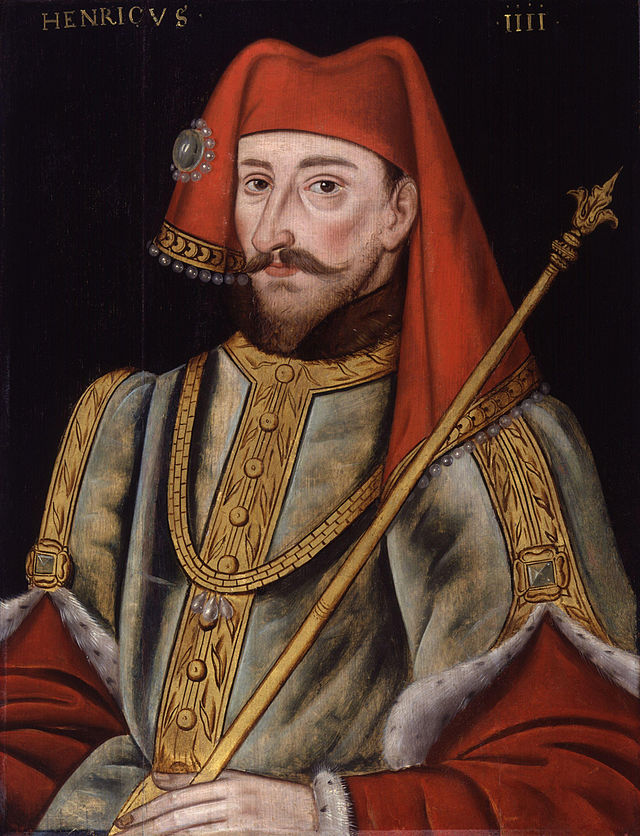
A defining feature of the ceremony emerged in the fourteenth century when it was agreed that the number of recipients would match the monarch’s age. Formalised under Henry IV, this tradition remains today and determines both the number of recipients and the quantity of Maundy coinage struck each year.
Specific Coinage
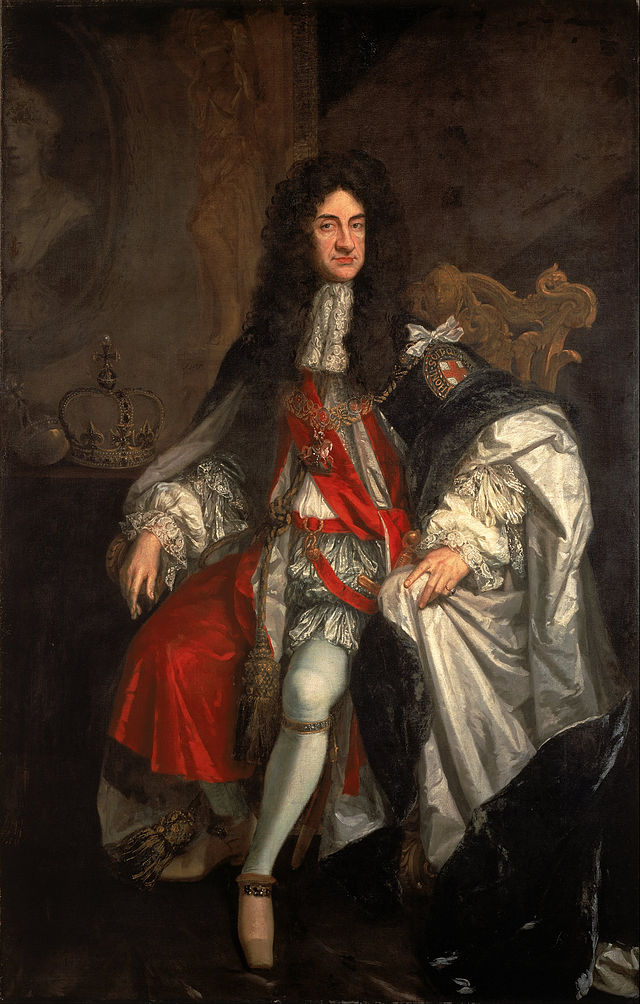
For centuries, the monarch distributed ordinary circulating coins during the Maundy ceremony. It was not until the reign of King Charles II (r. 1660-1685), that a specially struck set of four Maundy coins (penny, two-penny, three-penny and fourpence) appeared together for the first time.
It has been suggested that this numismatic tradition occurred because of the close association with a specific coin to another ancient royal tradition. The Royal Touch ceremony, which originated at roughly the same time as Royal Maundy, incorporated a Gold Angel into the healing ceremony during the reign of King Henry VII (r.1485-1509). During the ceremony, the monarch would personally touch sufferers of a painful skin condition in the belief that this would cure them. Sufferers would then be presented with a Gold Angel, bearing an image of the Archangel Michael as the heavenly guardian against the forces of evil. This was believed to grant the owner divine healing and protection.
After production of the Angel as a circulating coin ended in 1643, it was King Charles II who struck special touch pieces in gold with the same design specifically for use in his Royal Touch ceremonies.
Both the Royal Touch and Royal Maundy ceremonies are steeped in centuries of tradition, and both rituals involve the monarch presenting a small group of deserving recipients with a coin or coins. Like Maundy money, the Angel was treasured by the recipient and passed down through generations because a coin becomes more than currency when it is personally connected to the Crown.
Coins That Endured
Meanwhile, Maundy coinage began to develop a visual identity of its own. Designs changed under early monarchs, from interlinked initials to crowned numerals, before settling into a form that has proven astonishingly durable. In 1822, engraver Jean Baptiste Merlen placed the crowned numeral within an oak wreath, creating a design that, with only a minor crown modification in 1888, remains unchanged today. This makes Maundy Money the longest continuous coin series in British history.
When Britain adopted decimal currency in 1971, Maundy coins were untouched. Their sizes, designs and denominations carried on exactly as before, each retaining its numerical value as new pence.
Rarity
The ceremony has evolved so that each Maundy recipient receives two purses. The red purse contains a small allowance that replaces the gifts of food and clothing that recipients used to receive with their coins. The white purse containing the Maundy coins themselves. A full set comprises four coins with a total face value of ten pence, with recipients receiving multiple sets according to the monarch’s age.
With so few sets struck each year, and with recipients understandably treasuring coins personally presented by the monarch, Maundy Money rarely appears for sale. When it does, it commands strong interest from collectors who value not just rarity but meaning.
Precious
Silver has been central to English coinage since the seventh century. In 1920, the silver content of British coins, including Maundy money, was reduced from sterling silver (92.5%) to 50% silver to ease the financial burdens caused by the First World War. In 1947, the silver was removed completely and replaced with cupro-nickel. However, the original silver content of the Maundy money was reinstated, as it was felt that a royal gift should be worthy of the occasion. This indicates the significance of the Maundy coinage and its unique place in British history.
Though legal tender, Maundy coins are never intended for circulation, and their value lies overwhelmingly in their history and rarity as an enduring legacy of a coinage standard maintained from Saxon times.
The Gillick Portrait
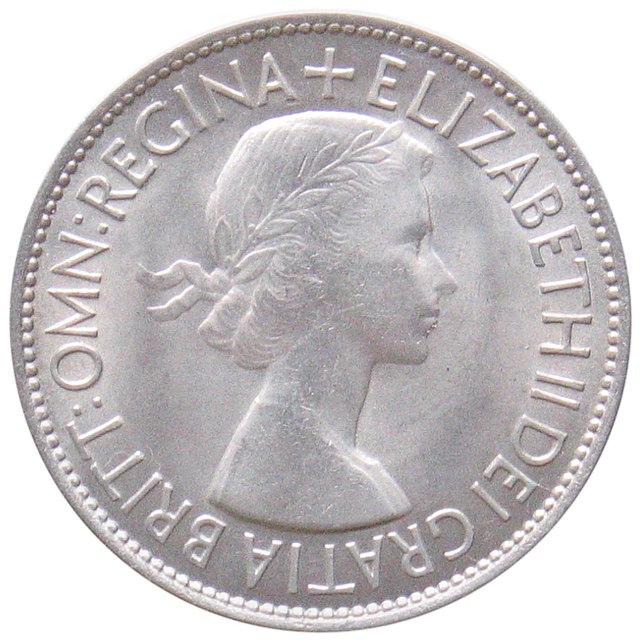
Against this backdrop of continuity, Maundy coins struck during the long reign of Queen Elizabeth II are particularly notable because they retained the same portrait throughout.
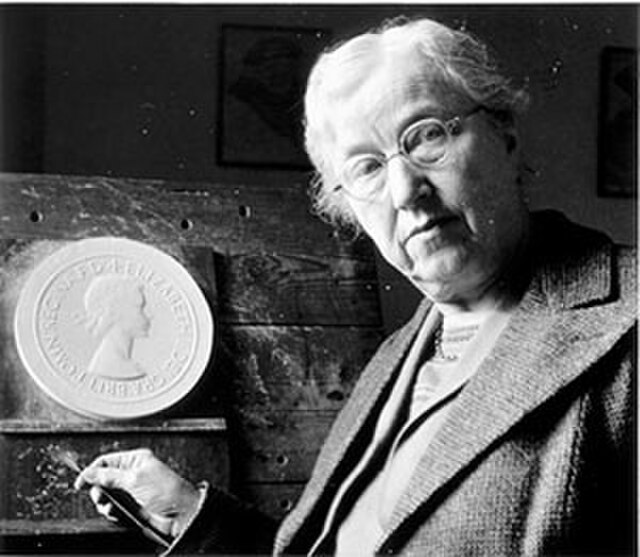
Mary Gillick’s charming portrait of the young monarch wearing a laurel wreath in her hair first appeared on coins in the coronation year, 1953. Although it was later replaced on circulating coins when Britain adopted the decimal system, the portrait was retained for Maundy Money throughout the Queen’s reign, making it the longest‑serving coin portrait in British history.
That decision was no accident. Sources confirm that Queen Elizabeth II personally favoured Mary Gillick’s portrait, and for nearly seventy years, the Maundy money quietly preserved the Queen as she had first appeared, unchanging, serene, and eternally youthful.
Queen Elizabeth II faithfully attended and presented Maundy Money in person for the vast majority of her reign. In 1932, her grandfather, George V, revived the practice of having the monarch personally distribute the purses after a long hiatus, and Elizabeth embraced this royal duty with exceptional dedication. By combining her personal participation in the ceremony with a youthful portrait, the small silver coins came to symbolise not just an ancient royal tradition, but a contemporary life of dedicated public service.
As Britain commemorates what would have been Queen Elizabeth II’s 100th birthday later this year, Maundy Money reminds us that some of the most powerful stories in numismatics are not about change, but about continuity. Maundy coins struck during her long reign, each bearing Mary Gillick’s elegant portrait, stand as miniature memorials to the reign that defined modern Britain.
In 2023, Maundy coins adopted a new portrait of King Charles III, sculpted by Martin Jennings, marking the first change in Maundy portraiture for seventy years. Modest in face value, but immense in symbolism, each Maundy set is a direct link between monarch and recipient, something no circulating coin can claim.
There are moments in history when a coin was never meant to be spent but received.
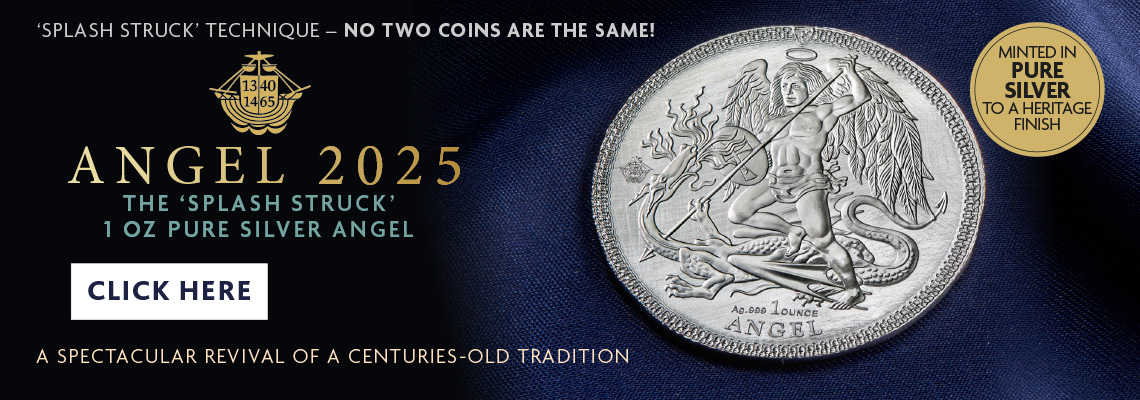
Now, for the first time in centuries, the gold & silver Angel has been reborn to replicate the hammered look and feel of the original coins given by the monarch and passed down through generations as treasured family heirlooms.
A Royal Tradition
The ritual of healing disease with a touch from the monarch is believed to have originated almost a thousand years ago with Edward the Confessor (r.1042-1066). During the reign of Henry III (r.1216-1272), the custom was expanded to include presenting the patient with a coin, and Henry VII (r.1485-1509) was the first monarch to use a gold Angel in the Royal Touch ceremony. The coin, with its image of the Archangel Michael as the heavenly guardian against the forces of evil, was believed to grant the owner divine healing and heavenly protection.
Splash Struck
I am pleased to offer you the opportunity to secure one of the few remaining The 2025 'Splash Struck' 1oz Pure Silver Angel Coin, a remarkable modern issue that deliberately echoes the individuality of historic hammered coinage. Splash Struck coins are flatter and broader with subtle differences of character, which means that no two coins are ever identical. Each coin is unique.
While we cannot recreate the exact moment an Angel might once have been passed from the monarch’s hand, we can revive the spirit of the tradition: a gold & silver Angel with a unique appearance that feels personal, distinctive, and connected to centuries of royal history. The 2025 Pure Silver Angel is a coin designed not just to be owned, but to be kept, cherished, and one day handed down.
Despite both royal traditions originating at the same time, the first silver coins to be created specifically for Royal Maundy were not struck until 1662, long after the gold Angel was used in the Royal Touch ceremonies. Could the Angel’s close connection with the monarch have inspired this numismatic tradition? This uniquely struck pure silver coin allows you to feel the weight of history in your hands, and just like the royal touch pieces of old, may it also bring healing and protection to you and your family.