
Queen Elizabeth II
Princess Elizabeth Alexandra Mary entered the world at 2.40 a.m. in the early hours of Wednesday, 21 April 1926. The first child of the Duke and Duchess of York, and the first granddaughter of King George V, she was named after her mother, Lady Elizabeth Angela Marguerite Bowes‑Lyon.
The Princess was not born in a palace, but at 17 Bruton Street in Mayfair, a fashionable London residence. This elegant townhouse belonged to her maternal grandparents, the Earl and Countess of Strathmore and Kinghorne. At the time, it served as a private family home, offering comfort and familiarity for the Duchess of York during childbirth, far removed from the formality of royal palaces.
The choice of location reflected the relatively modest position of Elizabeth’s parents within the royal hierarchy at the time. They were widely regarded as a devoted and comparatively private couple, known for their sense of duty rather than ambition. Their role was to support the monarchy, not to lead it.
There was no expectation that the King’s second son would one day wear the crown, so there was no pressing need for a grander or more symbolically charged setting for the birth of their first daughter.
Birth Announcement
The official birth announcement came later that morning, delivered in the traditional manner of the time: formal, restrained, and dignified. Unlike today’s instantaneous global news cycle, royal births in the 1920s were communicated through official bulletins issued to the press and displayed publicly. The announcement was posted at Buckingham Palace, where it was read by members of the public and reported by newspapers across the country. By late morning, the news had spread throughout Britain: a daughter had been born to the Duke and Duchess of York.
Church bells rang in celebration, and messages of congratulation flowed in from across the Empire. However, the tone was warm rather than momentous. After all, this was not the birth of a future monarch — at least, not as anyone then imagined. Yet, as events would unfold, that spring morning in London would mark the arrival of one of the most significant figures in modern British history.
During the Second World War, 17 Bruton Street was damaged during the Blitz and was subsequently demolished. Today, a modern commercial building occupies the prestigious address, with a commemorative plaque outside declaring that this was the birthplace of Queen Elizabeth II.
Lilibet
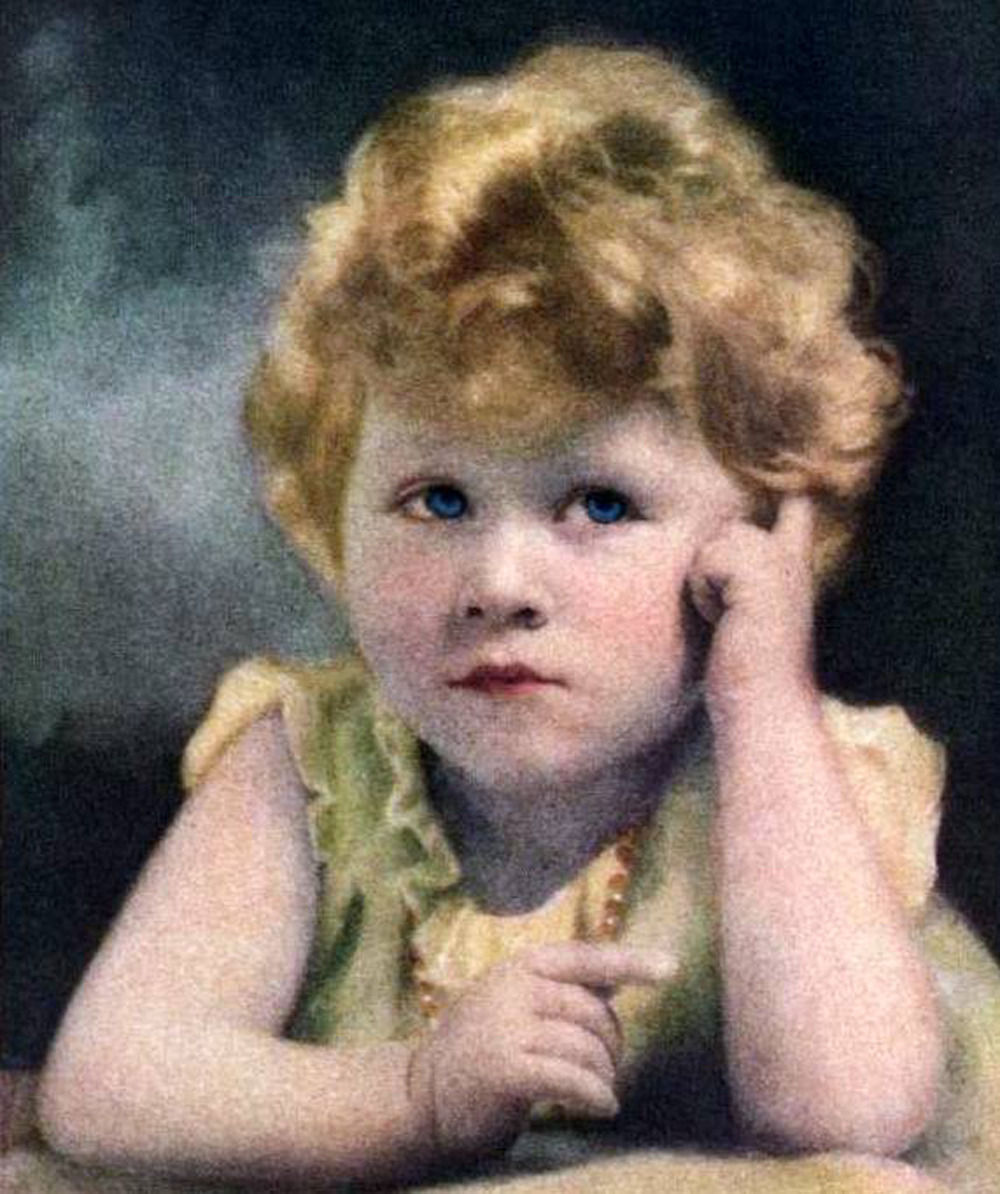
At the time of her birth, Princess Elizabeth was third in the line of succession, with little, if any, expectation that she would one day become Queen. Her charismatic and popular uncle Edward, the Prince of Wales, was next in line, and it was assumed that his future wife would one day produce the next heir. No one in 1926 could have foreseen the dramatic set of circumstances that, ten years later, would conspire to place her father on the throne instead.
Princess Elizabeth spent the first decade of her life enjoying all the privileges of royalty, but without the responsibility of being the heir to the throne. She became a great favourite of the King. She called him “Grandpa England”, and he called her his “sweet little Lilibet”. When he was struck down with illness in 1928, he is said to have requested that his two‑year‑old granddaughter come to Bognor, where he was convalescing, to keep him company.
Her parents divided their time between their home in London and Royal Lodge in Windsor Great Park. In 1930, she was joined by a sister, Princess Margaret Rose, and by all accounts, the two enjoyed a happy childhood together. Both were educated at home by a governess, who taught them history, geography, grammar and literature, while additional tutors instructed them in music, dancing and French. Their grandmother, Queen Mary, also took them to museums and historic sites to broaden their understanding of Britain’s history and heritage.
Abdication Crisis
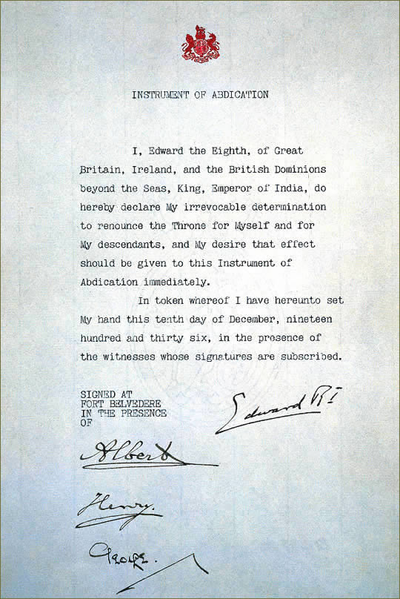
On 20 January 1936, King George V died, and the crown passed to his eldest son, Edward. However, within months, he had plunged the country into a constitutional crisis by proposing marriage to a twice‑married American divorcée, Wallis Simpson. When it became clear that he could not marry her and remain on the throne, King Edward VIII chose love over duty and abdicated on 10 December 1936, becoming one of the shortest‑reigning monarchs in British history.
With Edward’s sudden departure, the crown passed to Elizabeth’s father, Albert, Duke of York. He chose to reign under the name George VI to provide a sense of continuity after the constitutional turmoil of the previous year. The second son of George V had never been expected to inherit the throne and spent much of his early life in the shadow of his elder brother. He served in the Royal Navy and later the Royal Air Force during the First World War, and received speech therapy to help him overcome a severe stammer, which caused him great anxiety when speaking in public.
Heir Presumptive
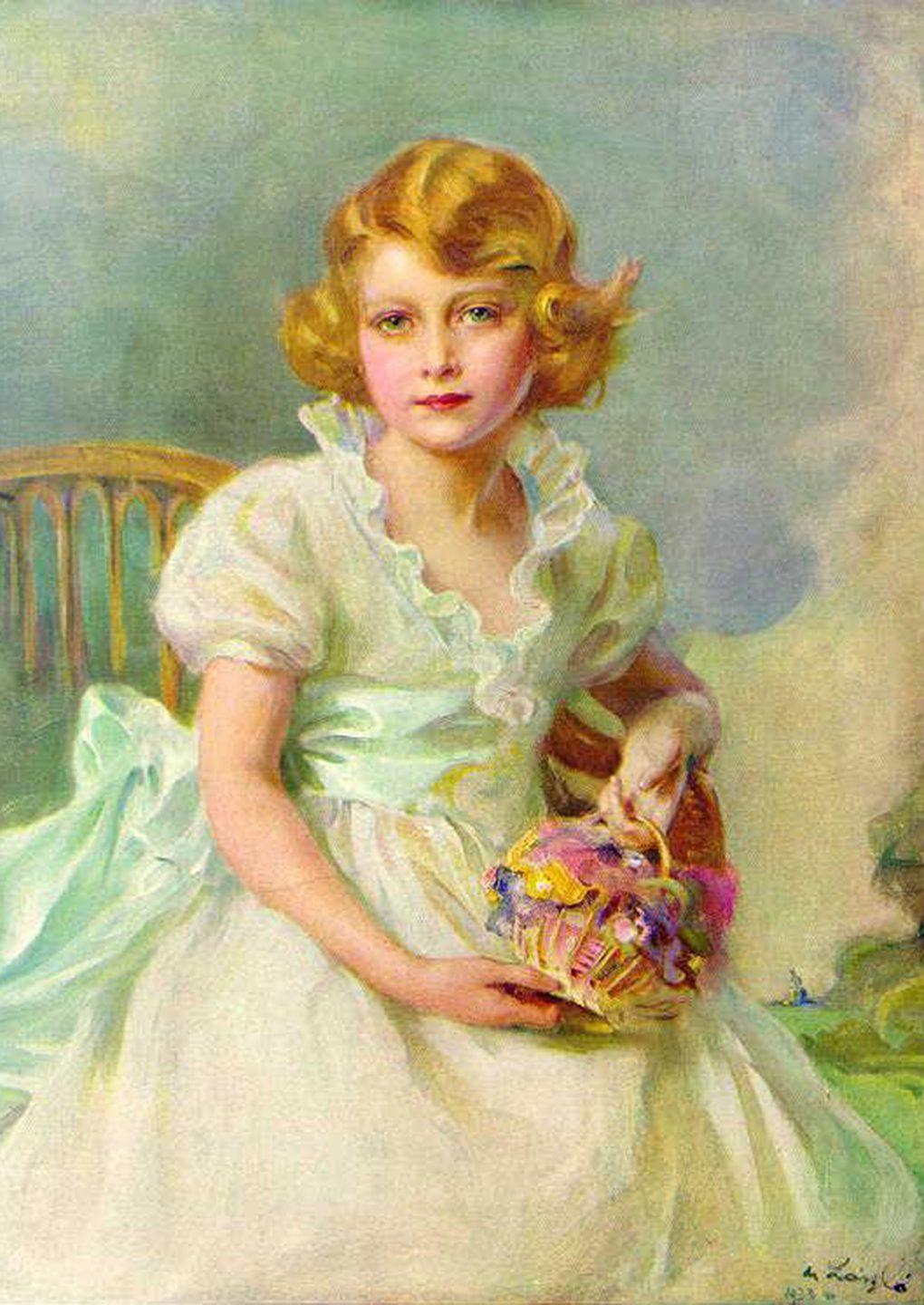
With the unexpected accession of her father to the throne, Princess Elizabeth, now ten years old, became the heir presumptive, meaning that she would ascend to the throne only if her parents did not produce a male heir. The succession laws at the time ruled that a son always took precedence over a daughter in the line of succession, regardless of who was born first.
It is said that Elizabeth initially resented the change that this brought to her young life, which included a move into Buckingham Palace and less privacy. A branch of the Girl Guides, the first Buckingham Palace Company, was created to allow her to socialise with girls her own age without leaving the confines of her new home.
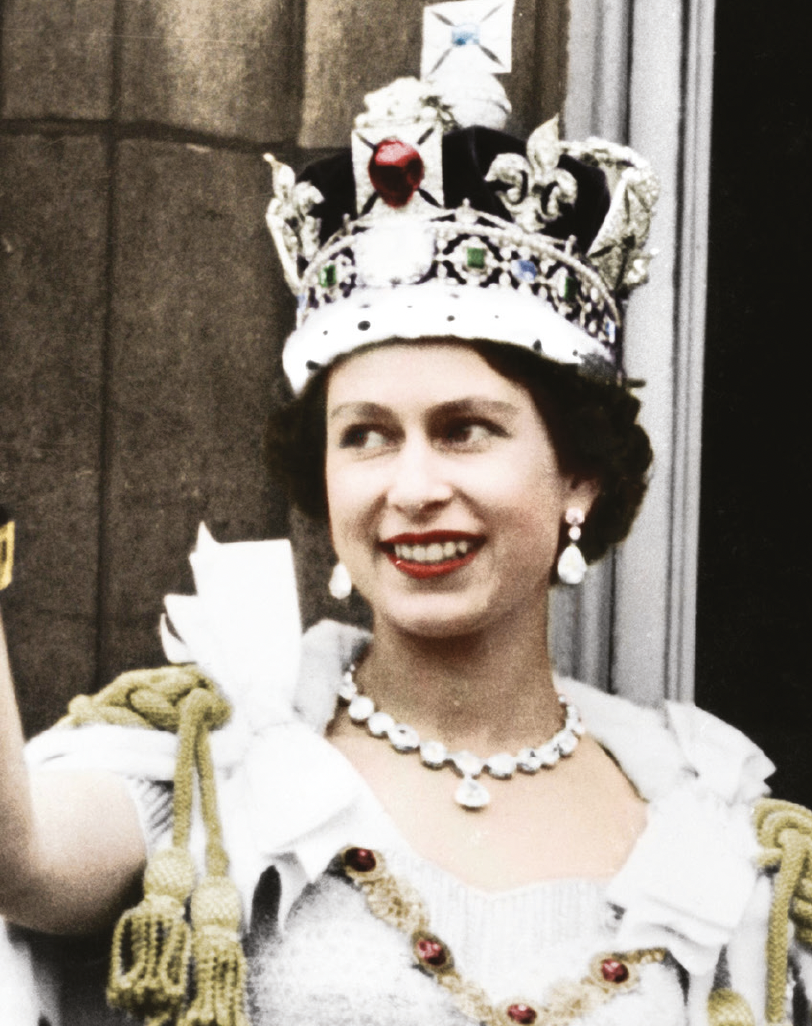
To prepare her for her future role, her studies were expanded to include constitutional history, politics and imperial affairs, and she was also personally tutored by the Archbishop of Canterbury in readiness for the day she would become Head of the Church of England. She also spent a great deal of time with her father, learning the duties and responsibilities of a constitutional monarch first-hand. This invaluable experience prepared her for her transition from Princess to Queen, which took place on 6th February 1952 at the age of 25.
The 1926 Gold Sovereign
For collectors, coins are often much more than metal; they are touchstones of history, and few dates resonate as powerfully as those connected with pivotal lives and events. Consequently, the year 1926 holds a particular fascination, not because of any planned numismatic significance, but because of its historical resonance.
Production of the gold sovereign had ceased in the United Kingdom during the First World War, but the coin continued to be struck overseas at branch mints of the British Empire. In 1926, gold sovereigns were produced in Australia and South Africa, at the mints of Sydney, Melbourne, Perth and Pretoria. Although no one expected the date to be particularly significant when the coins were struck, these 1926‑dated gold sovereigns are now highly collectable, having been issued in the year that the future Queen Elizabeth II was born.
Everlasting legacy