

2026 FIFA World Cup: The Beautiful Game
On 11 June 2026, the eyes of the world will turn once again towards football’s greatest stage. The FIFA World Cup is set to begin with an opening match at the legendary Mexico City Stadium (Estadio Azteca).
Like great coins and medals, the World Cup captures moments that become woven into history. Triumph, heartbreak, national pride and unforgettable personalities all combine to create memories that last for generations. From the first tournament in 1930 to today’s global spectacle watched by billions, the competition has evolved into one of the defining cultural events of the modern era.
Football’s Greatest Tournament
The first FIFA World Cup took place in Uruguay in 1930, with just thirteen teams participating. Uruguay defeated Argentina 4–2 in the final before a passionate home crowd in Montevideo, forever securing its place in football history.
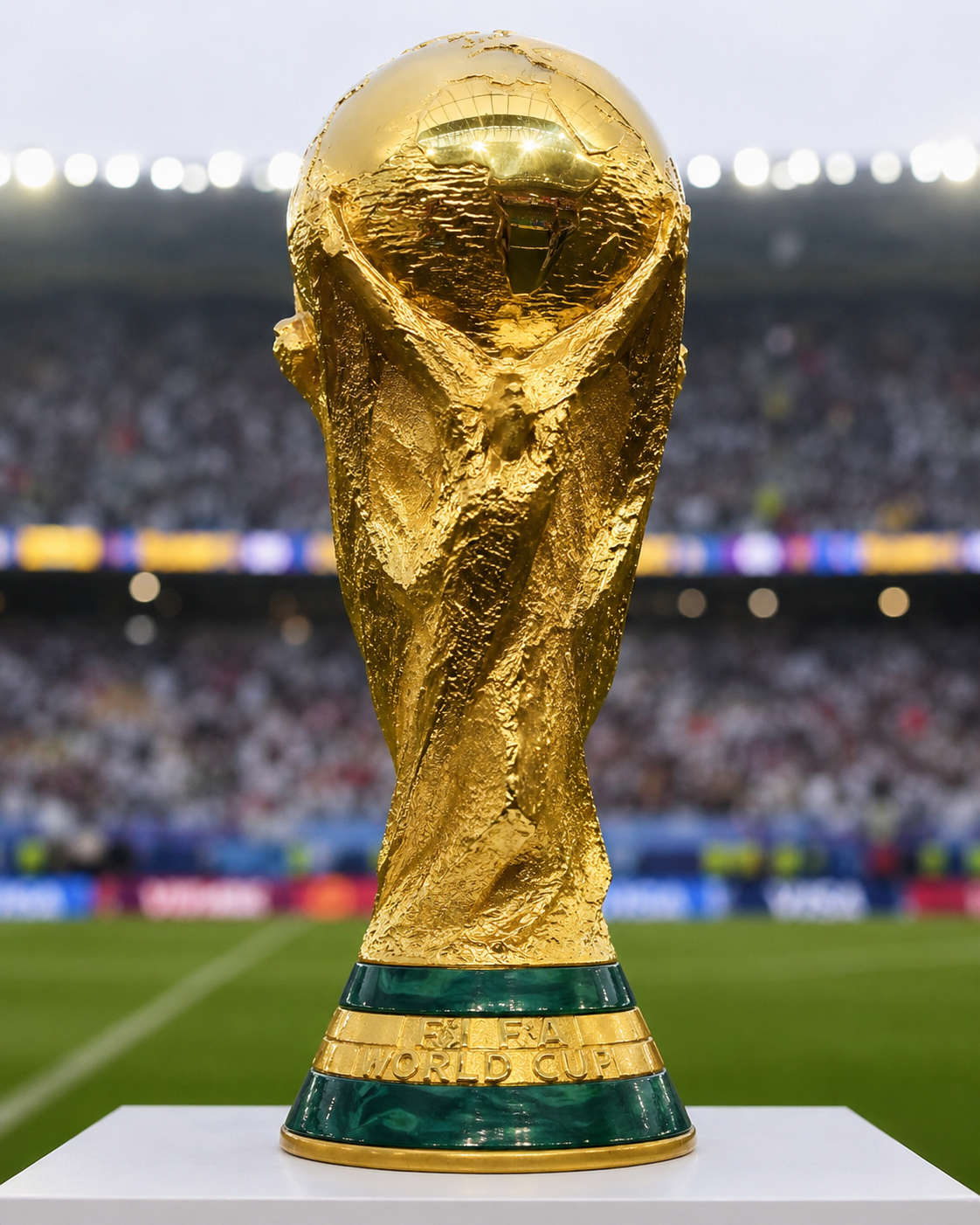
As the decades passed, the tournament grew dramatically in scale and prestige. The 1950 World Cup in Brazil produced one of football’s greatest shocks when Uruguay defeated the hosts in the famous “Maracanazo”, played before a crowd of almost 200,000 at Rio de Janeiro’s Maracanã Stadium.
In 1966, football came home for the first and only time, as England lifted the World Cup after defeating West Germany 4–2 at Wembley Stadium. The image of England captain Bobby Moore holding the Jules Rimet Trophy remains one of the most iconic moments in British sporting history.
The 1970 tournament in Mexico showcased the brilliance of Pelé and the legendary Brazilian side, often regarded as one of the greatest teams ever assembled. In 1986, Mexico again hosted the competition and witnessed both the genius and controversy of Diego Maradona, whose “Hand of God” goal and extraordinary solo effort against England became part of football folklore.
The World Cup continued to expand its global reach through tournaments in the United States in 1994, South Africa in 2010 and Qatar in 2022, each reflecting the growing international appeal of the sport.
Joint Hosts
The 2026 FIFA World Cup will mark several extraordinary firsts. For the first time, the tournament will be jointly hosted by three nations: the United States, Mexico and Canada. Matches will take place across sixteen host cities throughout North America, making this the largest geographically distributed World Cup in history.
Mexico will also make history by becoming the first nation to host World Cup matches across three separate tournaments, having previously staged the competition in 1970 and 1986.
The iconic Estadio Azteca in Mexico City, selected as one of the tournament’s principal venues, is steeped in football history. It was here that Pelé lifted the trophy in 1970 and where Maradona dazzled the world in 1986.
The final is scheduled to take place on 19 July 2026 at the New York/New Jersey Stadium (MetLife Stadium), bringing the tournament to a close at what is expected to be the largest World Cup ever staged.
Expansion
Perhaps the most dramatic change for 2026 is the expansion of the tournament itself. Since 1998, the FIFA World Cup has featured 32 national teams competing for football’s ultimate prize. However, the 2026 edition expands the competition to an unprecedented 48 teams.
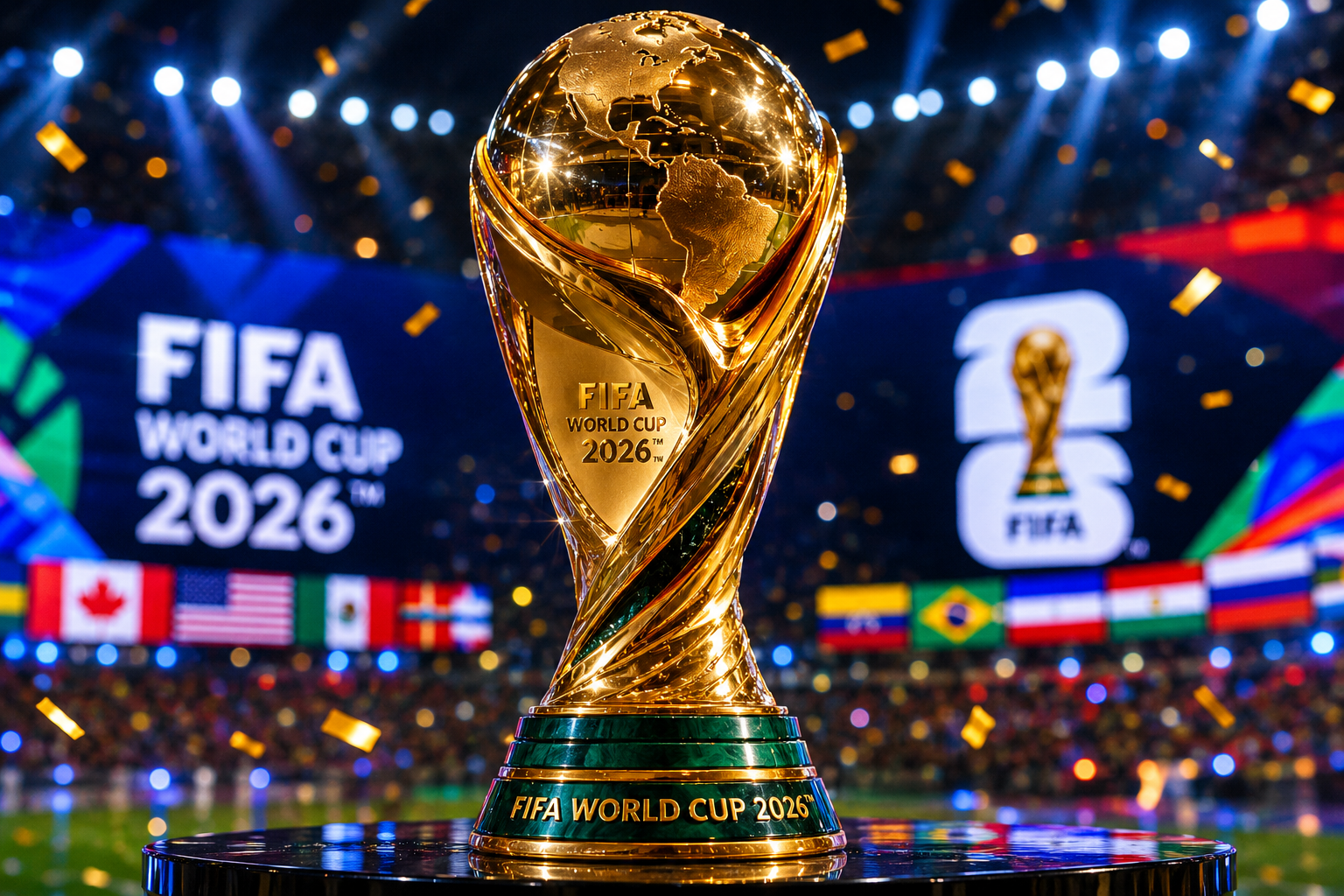
The revised format will feature twelve groups of four teams. The top two teams from each group, along with the eight best third-placed sides, will advance to a new Round of 32 knockout stage. This expansion increases the number of matches from 64 to 104, making it the largest World Cup in history.
For supporters, this means more matches, more nations and more opportunities for emerging football countries to shine on the global stage.
Several nations are expected to make their World Cup debuts thanks to the expanded format, highlighting FIFA’s ambition to create a more inclusive global tournament. The expansion also alters qualification places across the footballing world. Europe receives sixteen direct places, Africa nine plus one intercontinental play-off place, Asia eight plus one play-off place, and Oceania gains one automatic qualification berth for the first time.
Whether supporters embrace or debate the new format, there is no question that the 2026 World Cup represents a major turning point in football history.
The Collectability Factor
Major sporting events have long inspired commemorative coins and medals, as collectors search for tangible reminders of defining moments in world history. The FIFA World Cup is no exception.

Across the decades, World Cup memorabilia has become increasingly sought after, with coins, medallions and official commemoratives capturing the excitement and artistry of each tournament. Designs often feature stadiums, national emblems, football imagery and iconic players, transforming sporting memories into lasting collectables.
As anticipation builds for the largest World Cup ever staged, collectors have a rare opportunity to own a lasting tribute to this landmark tournament. Created to celebrate the dawn of a bold new chapter in football history, our special silver World Cup set captures the passion, drama and global spectacle that have made the FIFA World Cup the game’s greatest prize.
Crafted for collectors and football supporters alike, this striking silver set commemorates this landmark tournament and the dramatic expansion of the World Cup across North America. As billions prepare to follow every twist and triumph, it offers a lasting way to hold onto the excitement of football on its grandest stage. Beautifully presented and rich in significance, this exclusive collection is a fitting tribute to the beautiful game and a memorable addition to any collection.
Discover our special silver FIFA World Cup set today and celebrate one of the most significant tournaments in football history. The road to World Cup glory begins on 11 June 2026. Make sure your collection is part of this historic journey.