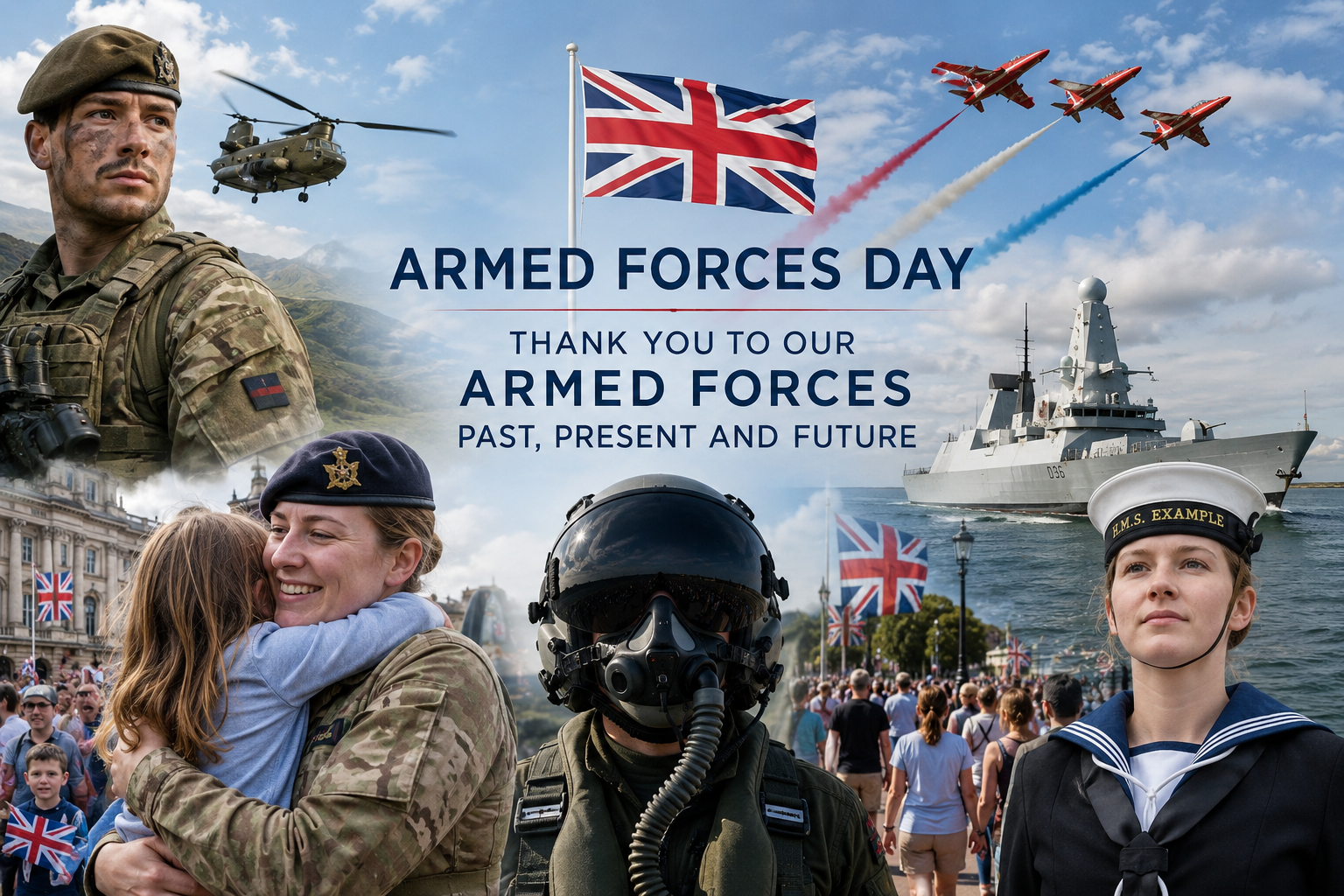

Honouring Service: The Story of Armed Forces Day
Every year, as June draws to a close, towns, cities and communities across Britain pause to say two simple but deeply meaningful words: thank you. Armed Forces Day, held on the last Saturday of June, is far more than a date in the calendar. It is a national moment of gratitude and reflection dedicated to the men and women who serve, or have served, in the British Army, Royal Navy and Royal Air Force, along with reservists, veterans, cadets and military families.
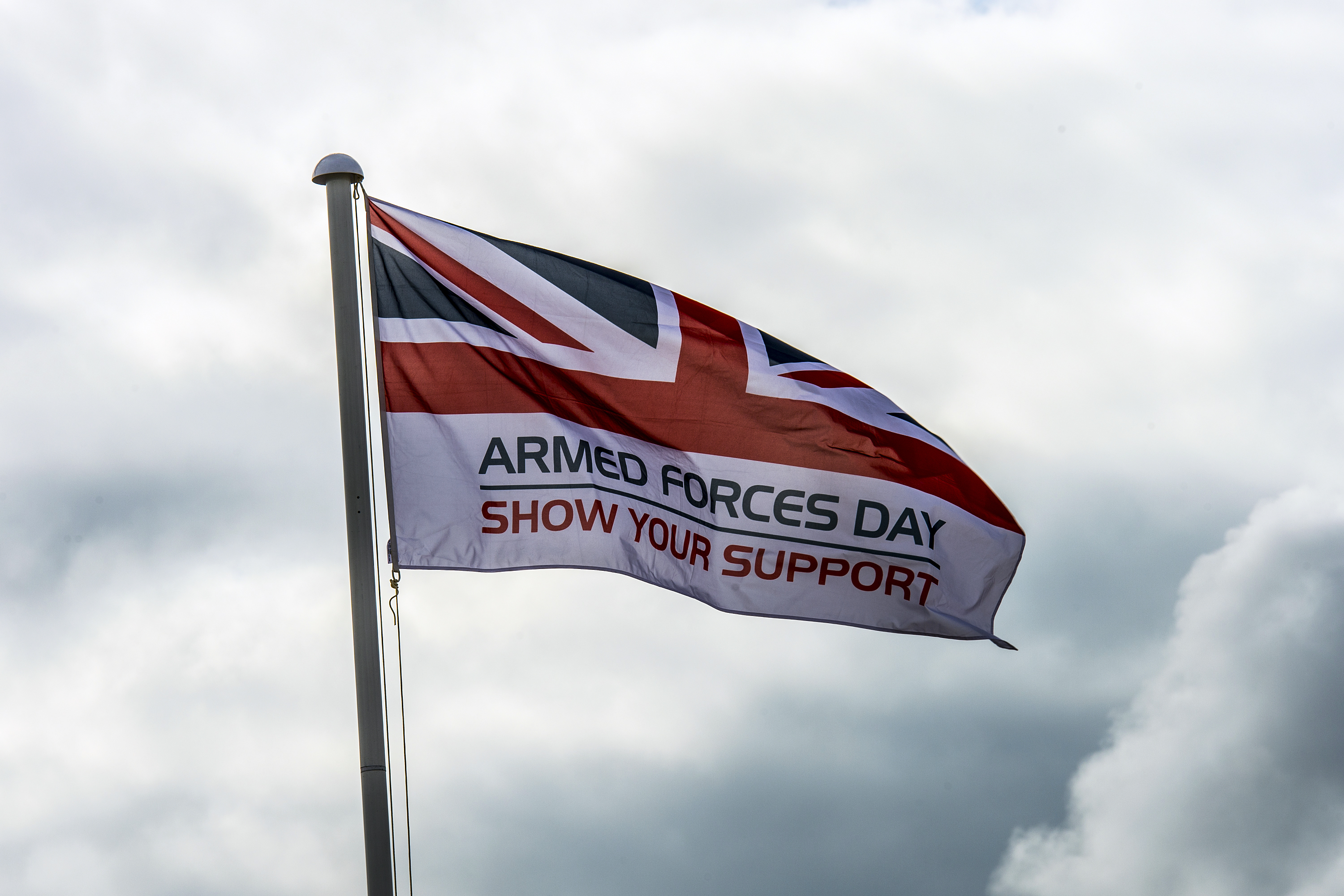
This year, Armed Forces Day falls on Saturday, 27 June. Across the country, communities will come together for parades, military displays, concerts, family events and moments of remembrance. Yet behind the music, flypasts and celebration lies something deeper: a shared recognition of sacrifice, duty and service.
How Armed Forces Day Began
The origins of Armed Forces Day can be traced back to 2006, when the UK introduced Veterans’ Day to recognise the contribution of former service personnel, many of whom had returned quietly to civilian life with little public recognition. In 2009, the event was renamed Armed Forces Day and widened to include serving personnel, reservists, cadets and military families, reflecting a broader national desire to show visible support for the whole Armed Forces community.
What began as a relatively modest observance quickly became a firmly established national occasion. Today, hundreds of events are held annually throughout England, Scotland, Wales and Northern Ireland. The day is also the culmination of Armed Forces Week, which includes special flag-raising ceremonies and Reserves Day, recognising the vital contribution of reserve personnel who balance military commitments with civilian careers.
Why Armed Forces Day Matters
For many people, Armed Forces Day is about expressing gratitude. But its importance goes beyond ceremony. The Armed Forces perform extraordinary duties, often in dangerous and demanding circumstances, many of which remain unseen by the wider public. British military personnel have served in conflicts, peacekeeping missions, humanitarian operations and disaster relief efforts around the world for generations. They have also supported the nation at home during times of crisis. During the Covid 19 pandemic, service personnel helped build testing centres, assisted the NHS and supported the national vaccine rollout.
Behind every uniform is also a family that shares the burden of service life. Frequent moves, long separations and uncertainty are realities faced by thousands of military spouses, partners and children. Armed Forces Day recognises their resilience too. For veterans, the occasion can be especially emotional. Many carry memories of conflict, comradeship and loss throughout their lives. Public displays of appreciation, however small, can serve as powerful reminders that their service has not been forgotten.
Celebration and Reflection
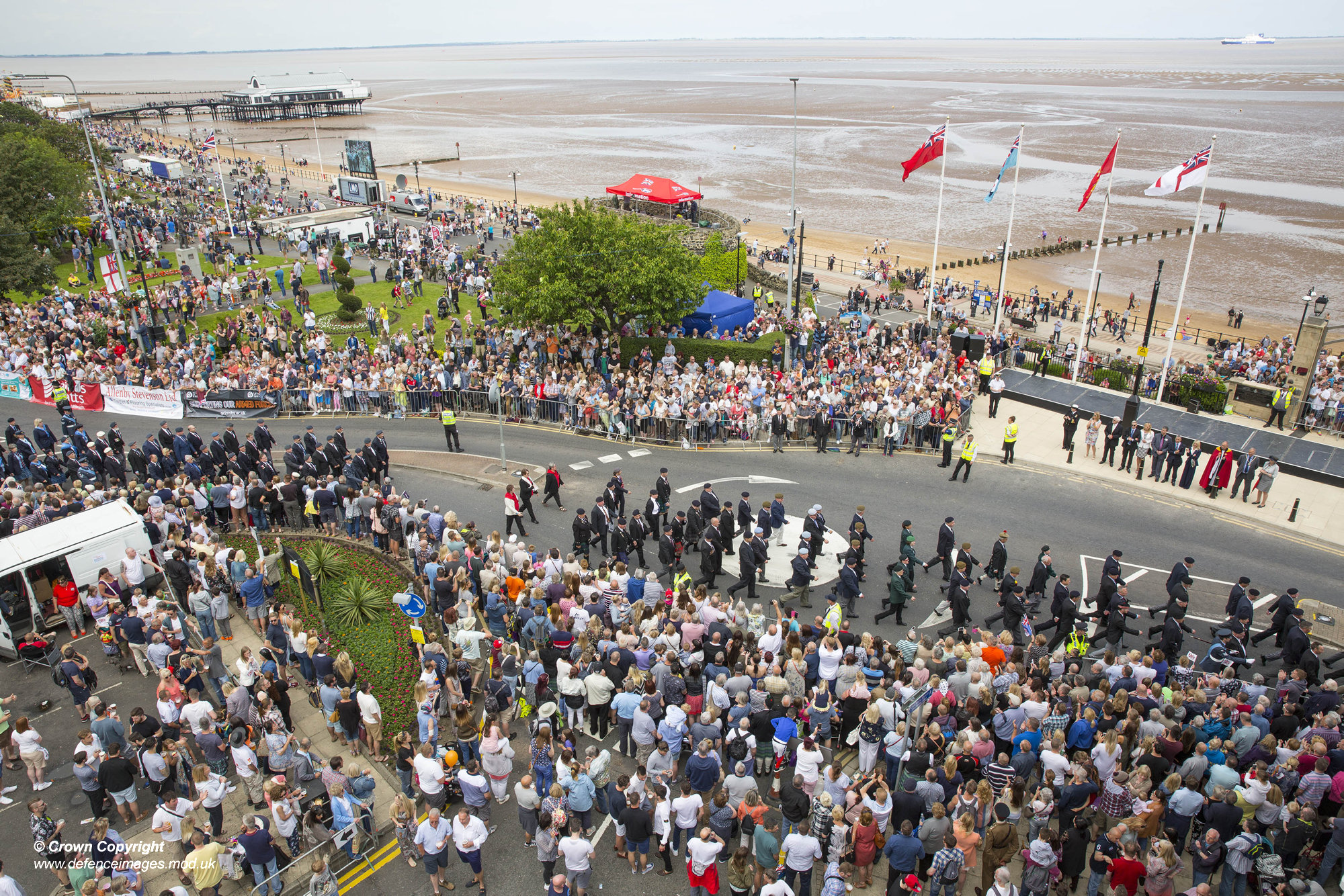
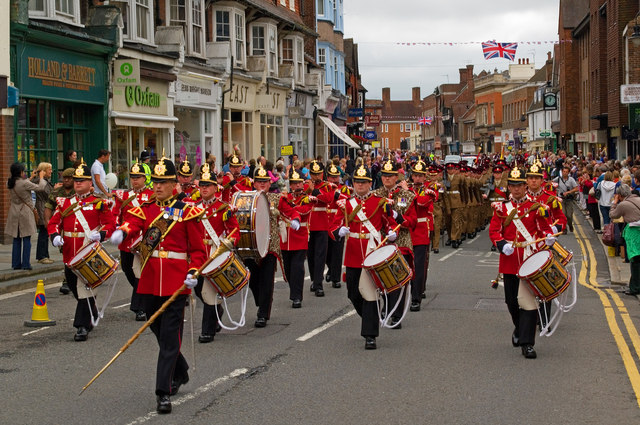
One of the defining features of Armed Forces Day is the balance it strikes between celebration and reflection. Across Britain, communities mark the occasion in different ways. Some host military parades through historic town centres, while others organise family events with live music, military vehicles, cadet displays and aerial demonstrations. Over the years, national celebrations have drawn large crowds. Edinburgh, for example, hosted the national event in 2011, with a major parade along the Royal Mile and a programme of events in Holyrood Park.
Plymouth has become particularly associated with Armed Forces Day celebrations in recent years. In 2025, Plymouth Hoe saw military displays, charity stands, concerts and hands-on demonstrations, with more than 45,000 people attending throughout the day. However, it is the smaller local events that often carry the greatest emotional weight. Village flag raisings, church services and community gatherings can create meaningful moments of connection between civilians and those who serve.
The Royal Family has long maintained close ties with the Armed Forces, and their participation adds a powerful sense of continuity and national unity to Armed Forces Day events. Senior royals regularly attend parades, ceremonies and commemorations connected with the military. Many members of the Royal Family have served themselves, including King Charles III, Prince William and Prince Harry. Their involvement helps underline the enduring bond between Crown, country and the Armed Forces community.
Evolution
Over the past two decades, Armed Forces Day has grown into a major national occasion. Early events focused largely on veterans and military parades. Today, the day is broader, more inclusive and increasingly community-driven, with greater emphasis on families, cadets and public engagement. Schools, charities, councils and businesses now play active roles in supporting events. The Ministry of Defence also provides grants to help communities organise celebrations, helping towns and cities host events that bring people together.
There has also been a noticeable effort to connect younger generations with military service and national history. For children, the events that take place on Armed Forces Day can be highly educational. Seeing military personnel up close often sparks curiosity about Britain’s history, traditions and values of service and duty. Cadet organisations continue to grow, while modern Armed Forces displays increasingly showcase technology, engineering and skills alongside traditional ceremonial elements.
At the same time, the occasion has become more reflective. As the number of surviving veterans from the Second World War declines, remembrance carries even greater poignancy. Recent national commemorations, including the 80th anniversary of VE Day, demonstrated the deep respect still held for those who served in Britain’s darkest hours.
What to Expect in 2026
This year’s Armed Forces Day is expected to continue this proud tradition. Communities throughout the UK are likely to host hundreds of events ranging from military parades and open days to concerts, family festivals and charity activities. Armed Forces Week will begin earlier that week with flag-raising ceremonies and Reserves Day celebrations. Many events will once again feature serving personnel, veterans organisations, cadet groups and military charities working together to engage the public and celebrate the Armed Forces community.
For visitors, the day offers excitement and spectacle. For veterans and serving personnel, however, it often means something much quieter and more personal: acknowledgement. Because at its heart, Armed Forces Day is not really about military hardware or marching bands. It is about people. In a fast-moving world where sacrifices are too easily overlooked, Armed Forces Day remains a powerful reminder that service, courage and duty still matter, and that those who defend the freedoms of others deserve to be remembered with respect, dignity and pride.